

How to Prepare for a Fashion Photoshoot: From Concept to Couture
In fashion photography, the final image is just the tip of the iceberg. What happens before the shutter clicks — the planning, the storytelling, the vision — is where the magic is truly made. A successful fashion shoot isn't just about lighting and posing; it's about building a world where design, emotion, and aesthetic collide with intention.
Whether you're a designer, stylist, model, or creative director, here’s how to approach a fashion shoot like a seasoned professional — and why that process can make or break the final result.
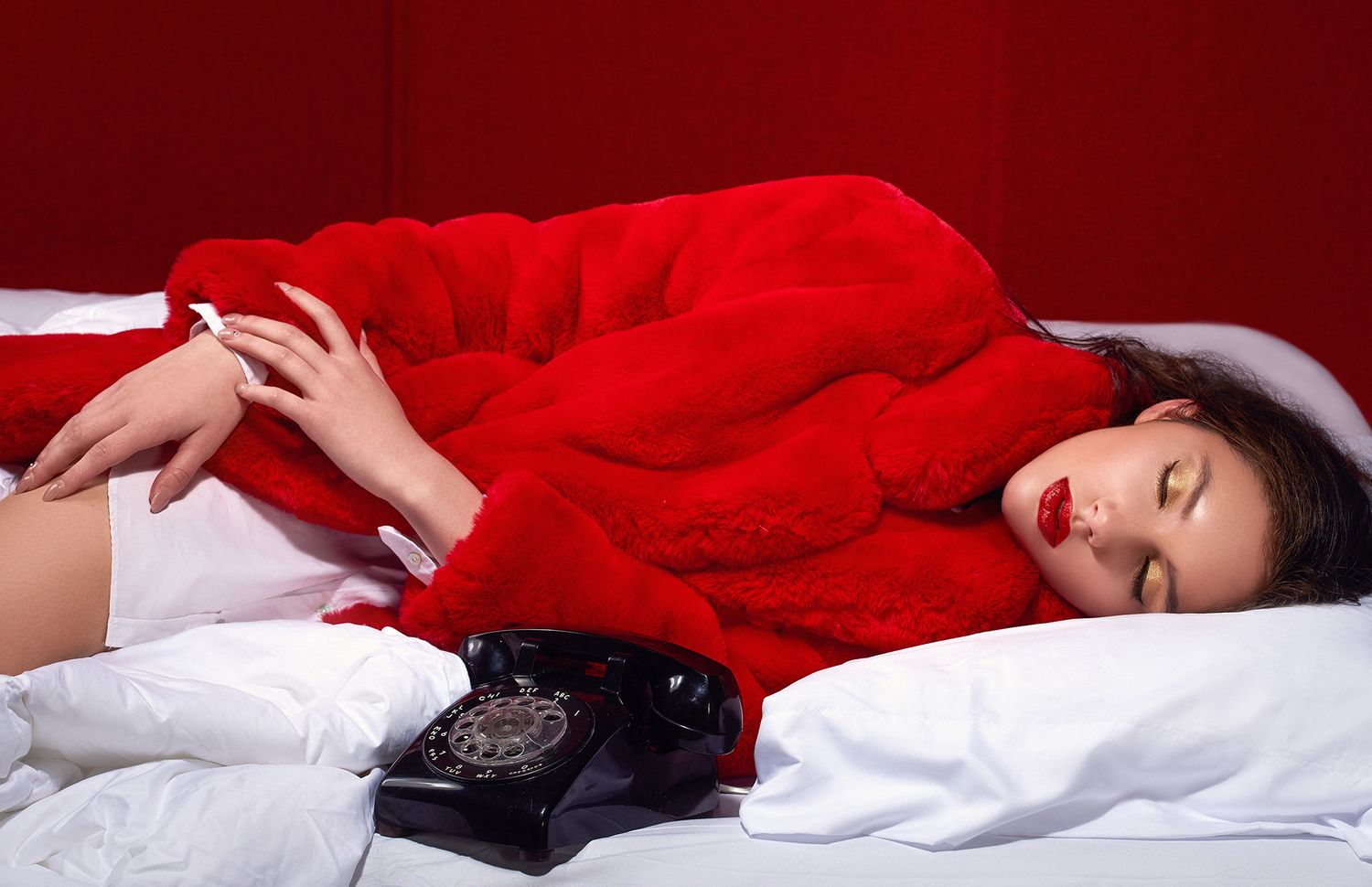
1. Start With the Story — Always
Every powerful fashion image has a story behind it.
Is the collection about rebellion or romance? Futurism or nostalgia? Are we telling the story of a muse, a movement, a mood? Your narrative will define everything — the setting, the lighting, the styling, the facial expressions. Without a clear story, even the most expensive wardrobe will fall flat.
Pro tip: Don't wait until shoot day to figure it out. Build a concept board. Define the tone. Set your references. Use emotion as your compass.

2. Build Your Creative Team Early
A brilliant idea means nothing if the execution lacks synergy. That’s why assembling the right creative team — hair, makeup, wardrobe, lighting, and creative direction — is crucial. You want people who not only execute but elevate the vision.
- Makeup artists need to know whether the look calls for glossy futurism or soft imperfection.
- Hair stylists should understand whether they're sculpting architectural updos or messy, lived-in texture.
- Stylists should be more than wardrobe runners — they’re visual narrators.
Treat every collaborator like a co-creator, not a vendor.

3. Scout the Mood, Not Just the Location
Too many photographers choose locations based on convenience. But a true fashion editorial demands more.
Does the environment add contrast to the wardrobe or reflect it? Do the textures, tones, and light quality support the mood of the piece? A brutalist concrete rooftop will say something entirely different than a sun-bleached beach or velvet-draped studio.
Pro tip: Always visit the location at the actual time of the planned shoot. Light is everything.

4. Wardrobe is Not Enough — Styling is a Language
Fashion is visual poetry. Wardrobe is just the vocabulary. Styling is the syntax.
A jacket thrown over the shoulder. A gown mid-sway. A boot caught in motion. These are micro-narratives that elevate clothing into something cinematic. Don’t just “dress” your subject. Sculpt them. Animate them. Make the garment perform.

5. Rehearse the Lighting Like It’s Theater
Lighting in fashion isn’t just technical — it’s emotional. You’re not just exposing the subject. You’re shaping mood, texture, even time of day.
You should know exactly what kind of shadows, falloff, and contrast ratios you want before the model steps on set. Create light that says something — not just light that “looks nice.”

6. Communicate the Vision, Not the Steps
Models, assistants, stylists — everyone performs better when they understand the why, not just the how. Don’t just bark technical directions. Share the concept. Show the moodboard. Let the model know the character they’re stepping into.
A model playing a lost heiress moves differently than one channeling apocalyptic glam.
Pro tip: The best photographers talk like directors, not technicians.

7. Shoot Less, Create More
In the digital age, it's easy to shoot a thousand frames and "fix it in post." But restraint is power.
Each shot should be deliberate. Each movement a decision. Each frame a beat in the story. You’re not just clicking a shutter — you’re composing a visual sonata. Fewer frames, more impact.
Final Thoughts: Why Fashion Photography Is Not Just Fashion
Fashion photography isn’t about showing off clothes. It’s about creating images that linger — in the viewer’s memory, in the brand’s identity, in the cultural lexicon.
When you approach a fashion shoot with vision, cohesion, and intention, the results speak louder than any label. You’re not just photographing garments. You’re sculpting myth.